Life Purpose in Belize
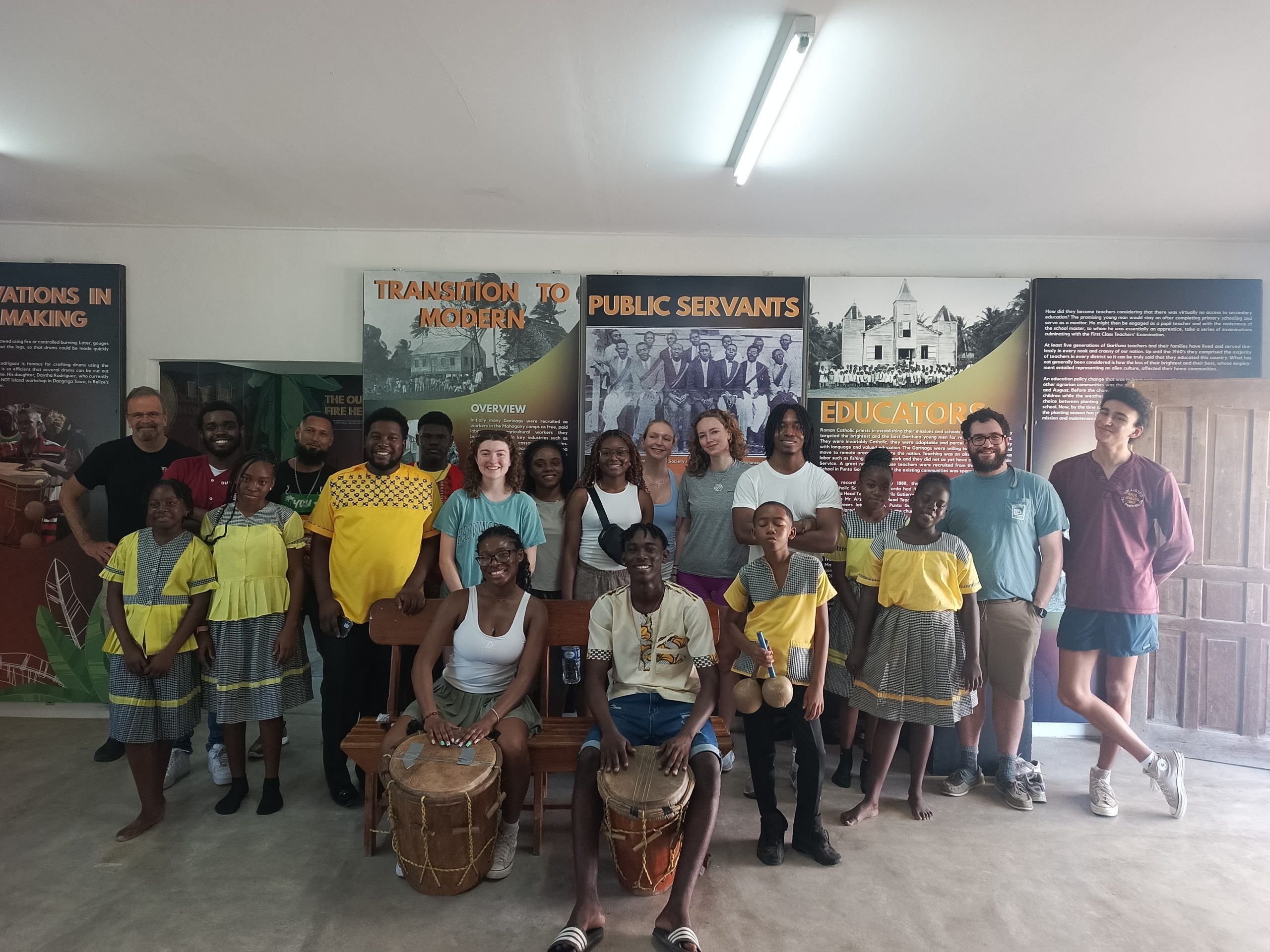
The Life Purpose in Belize program takes place over 11 days where faculty guide students through Belize’s diverse communities—Maya, Garifuna, Creole, and coastal—highlighting cultural heritage, community resilience, and inclusive practices that support equitable global engagement. The program integrates rigorous academic preparation with experiential learning, strengthening students’ intercultural awareness and sense of global responsibility. Collaborations with local families, community leaders, and small enterprises model ethical, community‑driven partnership approaches and responsible travel practices that reinforce economic and cultural sustainability. Exploration of Belize’s marine and jungle environments deepens understanding of biodiversity and conservation, while reflective work on purpose and wellbeing encourages holistic student development.
End-of-Life Palliative Care in Belgium
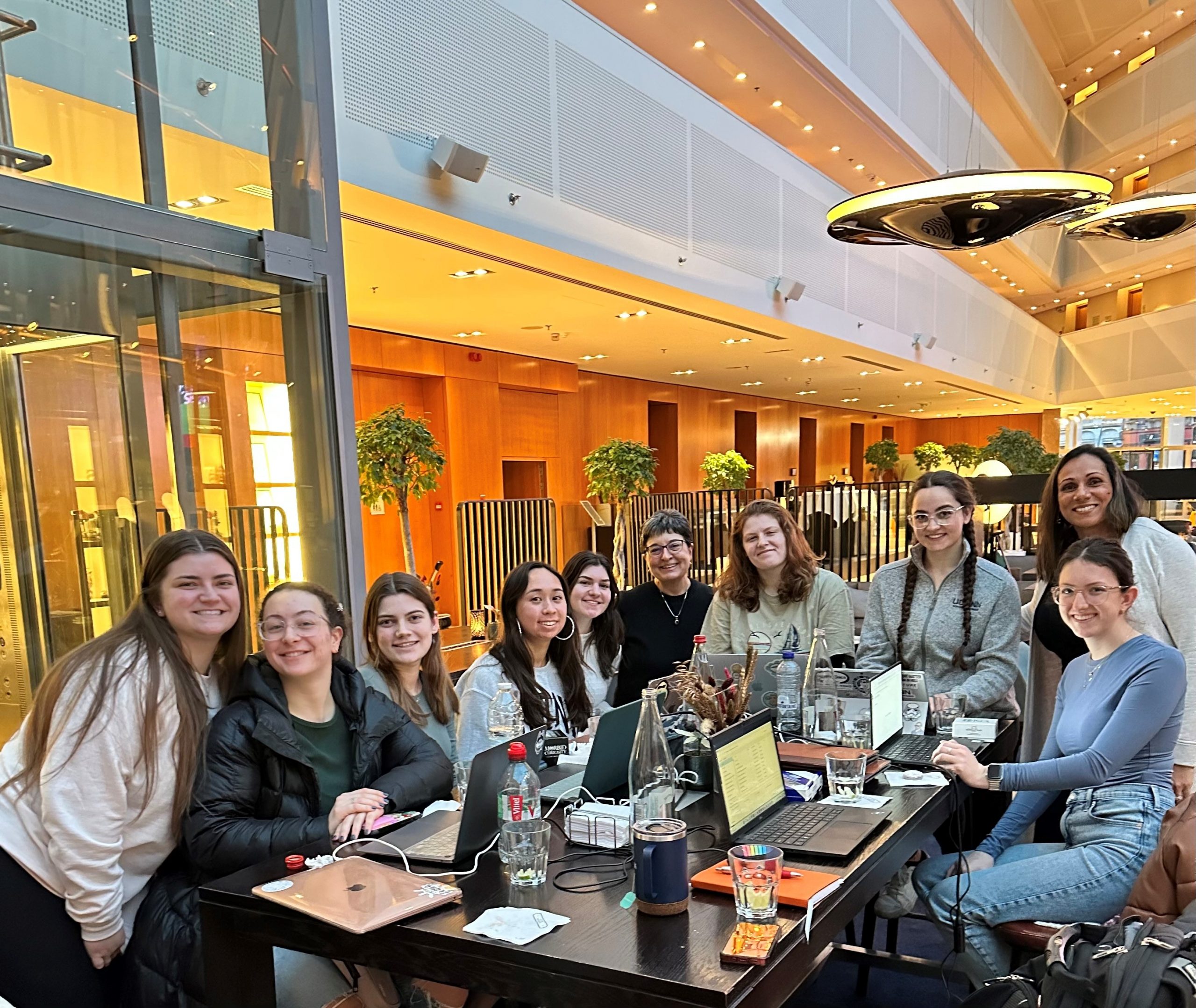
The Nursing Leadership and Capstone Practicum in Ghent brings students into a one‑week international learning community where faculty and nursing students from seven countries explore innovative approaches to chronic and end‑of‑life care. Guided by experts, participants engage in lectures and hands‑on sessions that deepen their understanding of symptom management, ethical decision‑making, and the emotional, spiritual, and existential dimensions of patient care. Site visits to hospitals and palliative care units give students the opportunity to witness compassionate, patient‑centered practices that strengthen their clinical awareness and global perspective. Through collaborative group projects and intercultural dialogue, the program fosters inclusive professional exchange, enhances leadership skills, and builds global partnerships that support high‑quality, equitable, and ethically grounded healthcare.
Summer Sustainable Cities in Zurich
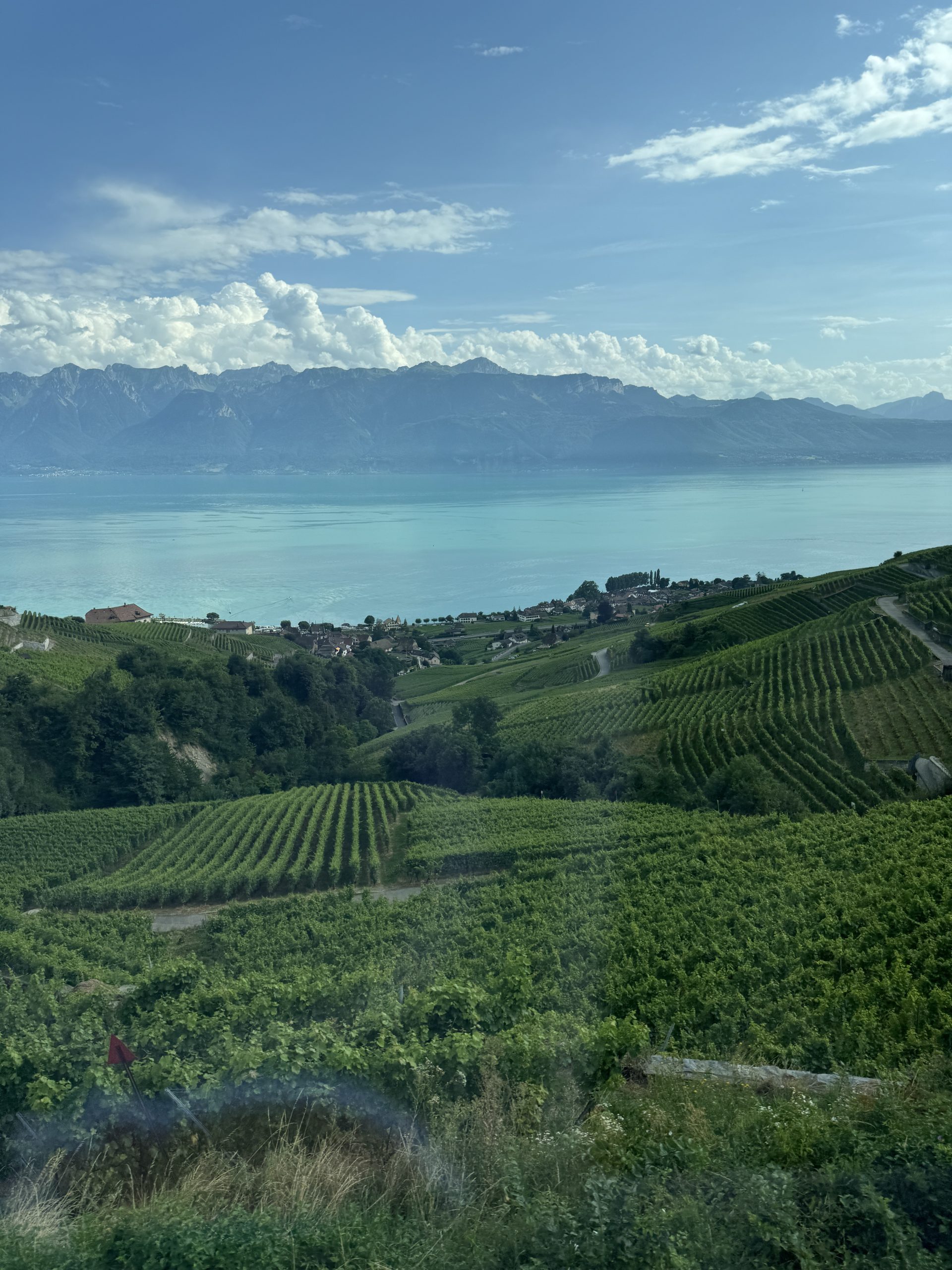
This interdisciplinary program in Zürich immerses students in one of the world’s leading hubs of sustainable urban innovation. Through field‑based research on transportation systems, climate‑conscious planning, and equitable city development, students engage directly with planners, neighborhoods, co‑operative housing communities, and local sustainability networks. They examine how transit investment and community‑centered design shape a resilient and inclusive urban environment. Using interviews, on‑site observation, and short‑film production, participants gain firsthand insight into the social, environmental, and infrastructural strategies that enable Zürich to balance affordability, climate responsibility, and high‑quality public space while strengthening their ability to communicate complex ideas to diverse audiences.

Summer in Ghana
The Summer in Ghana program immerses students in West Africa’s dynamic landscape of innovation, entrepreneurship, and cultural history. Through visits with FinTech companies, supply‑chain innovators, and social enterprises, students explore how Ghana is expanding digital payments, supporting small businesses, and advancing circular‑economy solutions that promote economic opportunity and environmental responsibility. Engagements with partners such as the Kosmos Innovation Center, Trashy Bags Africa, and Fairafric highlight community‑driven models that strengthen local value creation. Students also examine Ghana’s cultural and historical context, including the enduring legacy of the transatlantic slave trade, fostering deeper reflection on global inequality, resilience, and inclusive development.
Summer Nursing in Rwanda
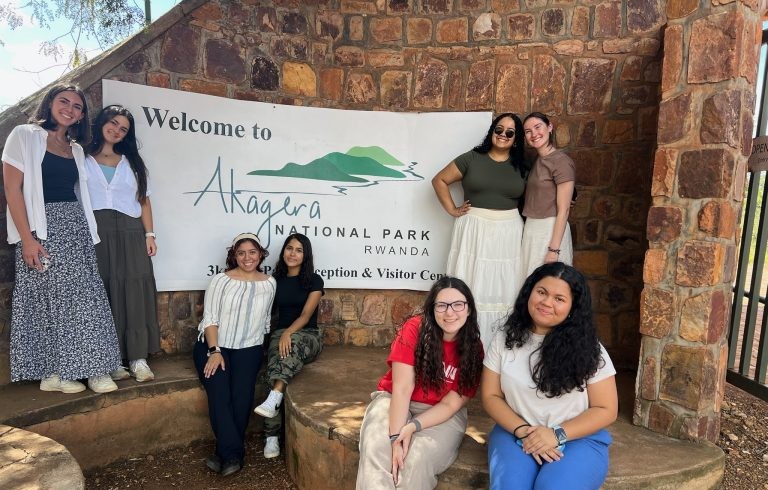
The Summer Nursing in Rwanda program immerses students in community‑centered perinatal and women’s health practice across Kigali, Akagera, Lake Kivu, and Byimana. Through lectures, clinical rotations, and simulation‑based learning, students deepen their understanding of culturally responsive care, evidence‑based practice, and interdisciplinary decision‑making. Working alongside Rwandan healthcare partners, they explore how social justice, human rights, and community collaboration shape patient‑centered nursing. This experiential program strengthens students’ clinical skills, cultural awareness, and ethical insight as they learn to apply intentional presence, respect diverse populations, and contribute to health promotion and equitable care for childbearing families and women in diverse settings.
Summer Society and Climate Change in Kenya
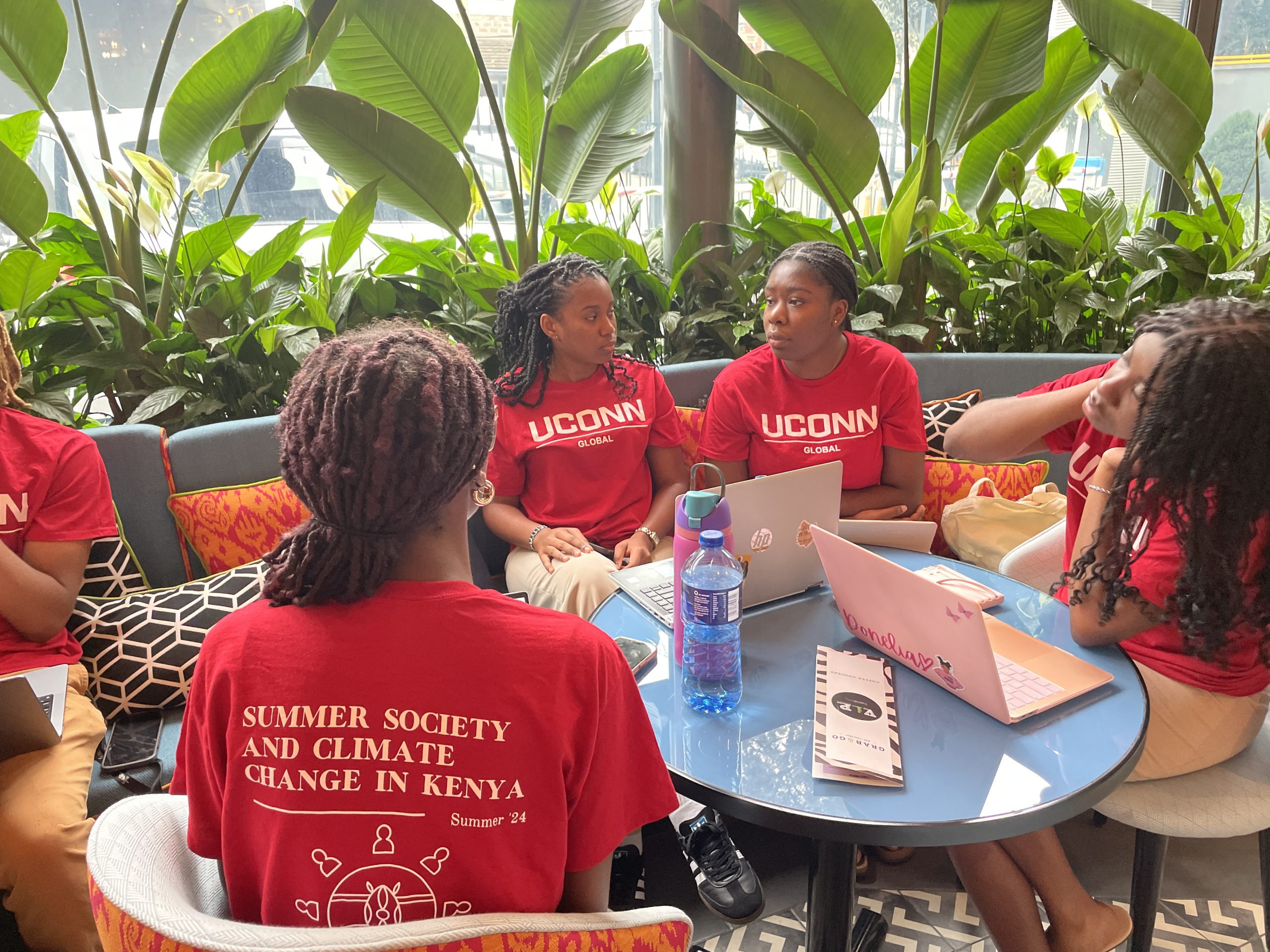
The Summer Society and Climate Change in Kenya program immerses students in an interdisciplinary exploration of how climate disruption intersects with culture, history, and social inequality across Kenyan communities. Through field observations, interviews, and guided site visits, students examine the ecological effects of a warming climate alongside the legacies of colonialism, racism, and economic disparity that shape vulnerability in the Global South. This experiential course integrates sociological theory, ethnographic research, and reflective writing to deepen students’ understanding of how gender roles, cultural values, and structural inequalities influence both the causes and consequences of climate change. The program fosters critical global awareness and ethically grounded engagement with environmental and social justice issues.
Guatemala Global Clinical Immersion
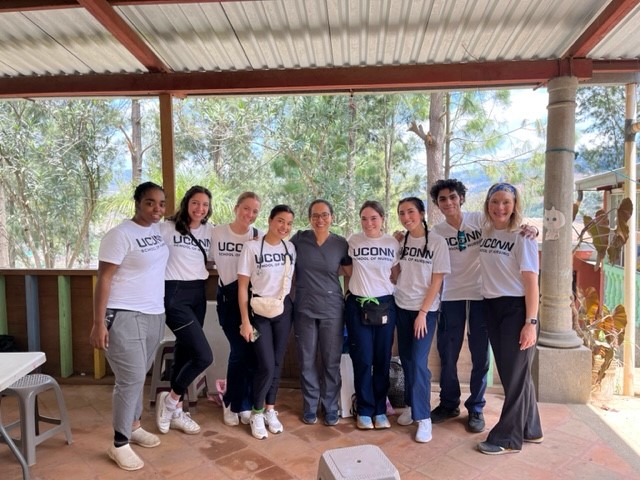
The Guatemala Clinical Immersion program brings nursing students into the Greater Panchoy Valley, where they work alongside local organizations and community leaders to support health promotion and culturally responsive care. Through clinical activities such as health screenings, health education, nutrition support, and the distribution and monitoring of water filters, students gain practical experience addressing community health needs while learning from Indigenous Mayan and ladino traditions. Cultural engagement, including time in the UNESCO World Heritage city of Antigua, deepens students’ understanding of local history and values. This immersive experience strengthens clinical skills, cultural humility, and collaborative practice in community‑driven healthcare settings.